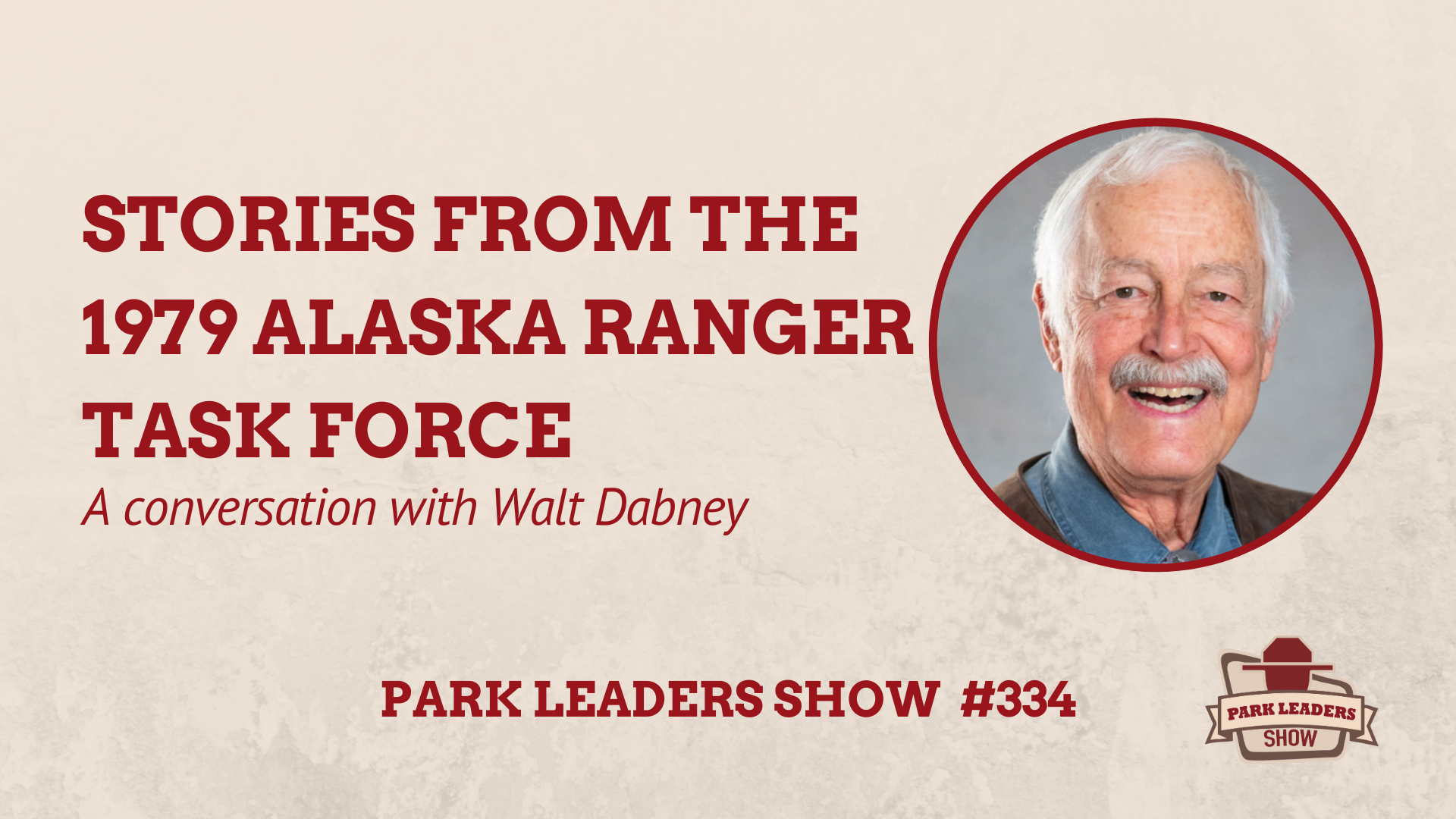
“We were sent to Alaska to show the flag, explain why we were there, and make sure nobody got hurt. None of that was guaranteed.”
Some stories are so intense, so consequential, that they don’t fit neatly into history books. They live instead in the people who were there. Walt Dabney is one of those people.
In 1979, Walt was part of the first Alaska Ranger Task Force, a small group of National Park Service rangers sent into Alaska after President Jimmy Carter proclaimed roughly 60 million acres of land as new national monuments. There were no roads into much of this country. Communication was limited. The political climate was hostile. And the mission was simple in words but complex in reality: establish a National Park Service presence and explain what was happening on the ground.
Walt shared stories that make it clear just how volatile the situation was. Rangers flew into remote gravel bars, camped among grizzly bears, and made contact with armed hunters in areas where help was days away, if it came at all. Aircraft were sabotaged. A plane was burned to the ground. Rangers slept with shotguns across their chests, not because they wanted confrontation, but because survival demanded awareness.
What stands out most is not the danger, but the restraint. Walt and the task force were not there to escalate conflict. They were there to listen, explain, and keep people safe. That meant navigating intense hostility, correcting misinformation, and making judgment calls where force would have caused irreparable damage.
These rangers understood that how they behaved in 1979 would shape the future of park management in Alaska. No one was hurt. No ranger became the story. That restraint mattered.
Today, many of the places that were once flashpoints are thriving park units supporting local economies through tourism and guiding. The work of that first task force helped lay the foundation for what followed.
This episode is more than a collection of dramatic stories. It’s a reminder that leadership often shows up in restraint, patience, and judgment under pressure. The Alaska Ranger Task Force didn’t just protect land. They protected the possibility of a future built on trust rather than force.
Resources
https://parkleaders.com/about/
Facebook – https://www.facebook.com/theparkleaders/
Notable Moments
[00:04:26] Why the Alaska Ranger Task Force was formed
[00:06:12] Establishing a ranger presence across 60 million acres
[00:10:05] Hostility toward rangers on the ground
[00:19:25] Aircraft sabotage and safety risks
[00:24:22] Plane burned during task force operations
[00:31:10] Defusing a tense confrontation in McCarthy
[00:39:36] A landmark game case in Gates of the Arctic
[00:46:53] Defining success: restraint and leadership